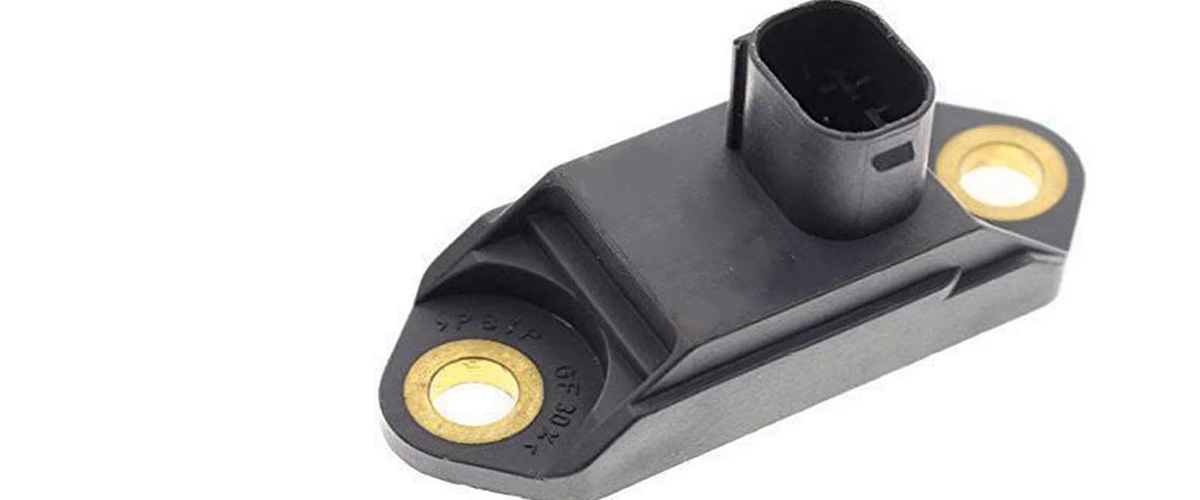



How to Replace an Exhaust Gas Temperature Sensor: Step‑by‑Step Guide
The Exhaust Gas Temperature (EGT) sensor monitors critical temperatures in the exhaust system, protecting components like the turbocharger, DPF, and SCR catalyst. A faulty EGT sensor can lead to engine derate, failed regenerations, or over‑temperature damage. Replacing it correctly ensures reliable operation and prevents downstream failures. This guide covers every step from preparation to final road test.
🧰 Tools & Materials Needed
- OBD‑II scan tool
- Oxygen/EGT sensor socket or appropriate removal tool
- Torque wrench (capable of 30–60 Nm)
- Anti‑seize compound (nickel‑based)
- Replacement EGT sensor (OE‑spec)
- Safety gloves and eye protection
- Penetrating oil (for seized sensors)
- Jack stands or lift (if under‑vehicle access required)
🛠 Step 1: Preparation & Safety
- Park the vehicle on a level surface, engage the parking brake.
- Allow exhaust to cool—EGT sensors and pipes can exceed 600 °C.
- Disconnect the negative battery terminal to avoid electrical faults.
- Scan and record any existing EGT‑related DTCs (e.g., P203A–P2040).
🔍 Step 2: Locate the EGT Sensor
- Refer to the service manual for exact sensor location—common placements are:
- Pre‑turbo (protect turbo from over‑temperature)
- Pre‑DPF (monitor regen temperatures)
- Post‑DPF/SCR (verify aftertreatment performance)
- Identify the sensor’s wiring harness and any protective heat shields.
🔧 Step 3: Remove the Faulty Sensor
- Disconnect the electrical connector—press the tab and pull straight back.
- Spray penetrating oil on the sensor threads if it’s seized.
- Fit the oxygen/EGT sensor socket or proper wrench.
- Turn counterclockwise to loosen and remove the sensor.
⚠️ Support the harness to avoid twisting or tugging on connector.
🆕 Step 4: Prepare & Install the New Sensor
- Apply a thin smear of anti‑seize compound to the sensor threads—avoid the sensing tip.
- Hand‑thread the new sensor to prevent cross‑threading.
- Torque to manufacturer specification (commonly 30–60 Nm) using a calibrated torque wrench.
- Reconnect the electrical connector until it clicks.
🔄 Step 5: Clear Codes & Verify Installation
- Reconnect the battery and turn the ignition ON (do not start).
- Clear EGT‑related DTCs with your scan tool.
- Start the engine and monitor live EGT data—sensor should report ambient then rising temperatures.
- If supported, perform a Forced Regeneration or EGT sensor adaptation/reset via scan tool.
🚗 Step 6: Final Road Test
- Take the vehicle for a short drive, especially under load, to verify EGT responses.
- Ensure no new codes appear.
- Confirm proper DPF regen and turbo protection events if applicable.
✅ Post‑Replacement Checklist
| Task | Done? ✅ |
|---|---|
| Battery reconnected | |
| Old sensor DTCs recorded and cleared | |
| New sensor torqued to spec | |
| Electrical connector securely reattached | |
| Live EGT data verified at idle and under load | |
| No new fault codes upon scan | |
| Test drive completed without EGT‑related warnings |
Replacing an EGT sensor requires careful handling of high‑temperature components, correct torque application, and proper post‑installation verification. Following these steps ensures accurate temperature monitoring, protects critical exhaust components, and maintains emissions compliance.
Pro Tip: Always use OE‑compatible sensors and high‑quality anti‑seize to prevent thread galling and ensure long‑lasting performance.
Series Navigation
- Understanding the Role of Exhaust Gas Temperature Sensors in Modern Engines
- Construction and Working Principles of Exhaust Gas Temperature Sensors
- Technical Specifications and Selection Guide for EGTS
- Validation Testing and Reliability of Exhaust Gas Temperature Sensors
- Why Do Exhaust Gas Temperature Sensors Fail? Top Causes and Prevention
- How to Troubleshoot Exhaust Gas Temperature Sensors
- ✅How to Replace an Exhaust Gas Temperature Sensor: Step‑by‑Step Guide
- Common Faults in Exhaust Gas Temperature Sensor Replacement