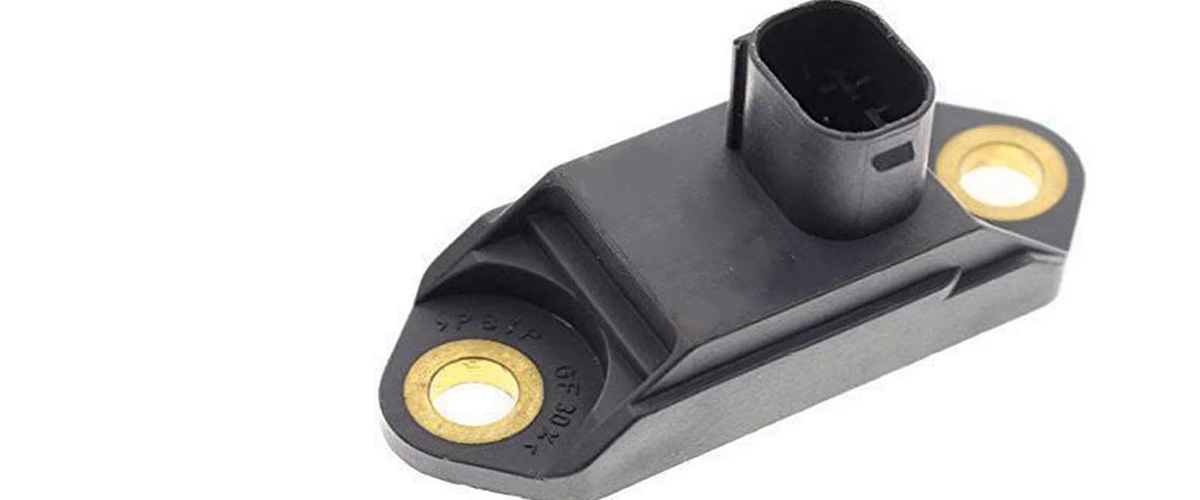



How to Troubleshoot Yaw Rate Sensors in Modern Vehicles
The Yaw Rate Sensor plays a critical role in today’s Electronic Stability Control (ESC) and Vehicle Dynamics Control (VDC) systems by measuring the vehicle’s rotational movement around its vertical axis. When this sensor fails, ESC systems may become disabled or behave erratically, increasing the risk of instability during cornering or sudden maneuvers. This guide outlines how to identify, test, and resolve yaw rate sensor issues in a structured and reliable way.
🔍 Step 1: Recognize Common Failure Symptoms
Signs of a potential yaw rate sensor fault include:
- 🚨 ESC or stability control warning light illuminated
- ❌ ESC, traction, or ABS systems disabled
- 🌀 Vehicle swerves or reacts unpredictably during cornering
- ⚠️ DTCs stored after hard braking, skidding, or wheel slippage
🛠 Step 2: Scan for Diagnostic Trouble Codes (DTCs)
Use a professional OBD-II diagnostic tool with access to ESC, ABS, or VSC modules.
Typical yaw sensor-related DTCs:
| Code | Description |
|---|---|
| C1445 | Yaw rate sensor not calibrated |
| C1232 | Yaw rate signal fault or circuit open |
| U0123 | Lost communication with yaw sensor module |
| C1419 | Yaw rate sensor zero point not stored |
📌 Tip: Always save freeze frame data for post-analysis.
📊 Step 3: View Live Sensor Data
Navigate to real-time yaw data using the scan tool:
- Yaw rate: Measured in °/s or rad/s
- G-sensor lateral acceleration: Should correspond with vehicle movement
- Zero reference: Should be ~0 when car is stationary on flat ground
Abnormal values:
- Yaw data frozen or unchanging
- Constant offset even when stationary
- Sudden spikes or missing values during gentle turns
🔌 Step 4: Check Power, Ground, and CAN Communication
Use a multimeter or oscilloscope to verify:
- Reference voltage (usually 5V or 3.3V supply)
- Ground continuity (≤ 0.2 ohm to chassis)
- CAN bus activity (high and low alternating pulses at idle)
Inspect:
- Connectors for corrosion or loose pins
- Broken or chafed wiring, especially near the floor or tunnel
- Water ingress around the sensor (common near the center console area)
⚠️ Some yaw sensors are integrated into multi-axis IMUs—verify all communication lines.
🧩 Step 5: Inspect Sensor Mounting and Orientation
Yaw sensors must be:
- Firmly mounted on the centerline of the chassis
- Facing the correct direction as marked (arrows or orientation marks)
- Installed on a flat and vibration-free surface
Problems from misalignment:
- Sensor interprets wrong axis
- ESC activates prematurely or never engages
- Calibration fails repeatedly
🔄 Step 6: Perform Sensor Calibration (Zero Point Initialization)
If the sensor is functional but miscalibrated, perform a zero-point reset:
- Park the vehicle on a completely level surface
- Turn on the ignition but do not start the engine
- Use the scan tool to select:
ESC/VSC > Yaw Rate Sensor > Zero Point Calibration - Follow prompts and ensure the steering wheel is centered
Some systems require a test drive (e.g. 20–50 meters in a straight line) after reset.
🔧 Step 7: Replace the Sensor (If Necessary)
Replace only if:
- Signal data is erratic or absent
- Calibration fails
- Fault codes persist after all other checks
Replacement Tips:
- Use OE-matching or OE-equivalent sensors
- Always perform zero-point calibration after installation
- Avoid rotating or shaking the sensor during handling
✅ Troubleshooting Checklist
| Item | Verified? ✅ |
|---|---|
| ESC fault light present | |
| DTCs scanned and recorded | |
| Yaw and G-sensor data observed live | |
| Power/ground/CAN signal confirmed | |
| Sensor orientation and mounting verified | |
| Zero point calibration completed | |
| Sensor replaced and retested |
Yaw rate sensor faults can mimic a wide range of stability and steering issues. By following this structured approach—covering DTCs, wiring integrity, sensor data, and calibration—you can isolate the true root cause and avoid unnecessary part replacement. A properly functioning yaw sensor ensures that ESC and other safety systems perform as designed.
From an engineering perspective, accurate yaw data is the backbone of vehicle stability—don’t let one sensor compromise it.
Series Navigation:
- Automotive Yaw Rate Sensor Positioning & Core Functions
- Yaw Rate Sensor Core Components & Working Principles
- Yaw Rate Sensor Technical Specifications & Model Guide
- Yaw Rate Sensor Environmental Adaptability & Reliability
- Yaw Rate Sensor Interfaces
- Why Yaw Rate Sensors Fail: Root Causes, Warning Signs, and Repair Advice
- ✅How to Troubleshoot Yaw Rate Sensors in Modern Vehicles
- How to Install a Yaw Rate Sensor: Step-by-Step Guide
- Common Mistakes in Yaw Rate Sensor Replacement