


Guide of Troubleshoot a NOx Sensor
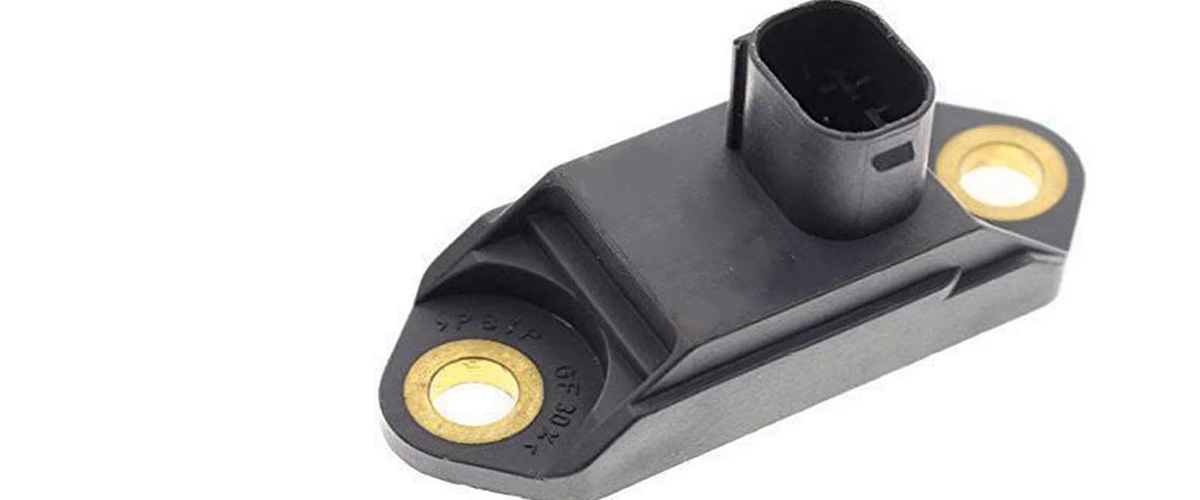
The NOx sensor is a vital part of a vehicle’s Selective Catalytic Reduction (SCR) and emissions control system. Installed in the exhaust stream, it monitors the concentration of nitrogen oxides and helps optimize urea (DEF) injection to reduce pollution. A faulty NOx sensor can trigger warning lights, increase emissions, and affect fuel economy. This guide outlines a structured approach to troubleshooting NOx sensors, helping you pinpoint the root cause—whether it’s the sensor, wiring, or control module.
🔍 Step 1: Understand the System Layout
Most modern diesel vehicles have two NOx sensors:
- Upstream sensor (pre-SCR): Measures NOx output from the engine.
- Downstream sensor (post-SCR): Measures NOx reduction after DEF treatment.
📌 Some vehicles integrate the sensor and ECU as one unit; others use separate control modules.
🛠 Step 2: Identify Symptoms and DTCs
Typical symptoms of a failed NOx sensor include:
- Check Engine Light (MIL) on
- DTCs such as:
- P2200: NOx Sensor Circuit Range/Performance Bank 1
- P2202: NOx Sensor Signal Low
- P229F: NOx sensor stuck reading
- U029D/U029E: Lost communication with NOx sensor
Tip: Record freeze-frame data to understand operating conditions when the fault occurred.
📊 Step 3: Use Live Data to Verify Sensor Output
Access the NOx sensor readings through a scan tool. Key parameters:
- NOx concentration (ppm)
- Sensor internal temperature (typically 200–800°C)
- Lambda values (for oxygen content correlation)
Expected behavior:
- Varying NOx values based on throttle/load
- Downstream sensor should show lower NOx than upstream after DEF injection
- Stable readings at operating temperature
Abnormal signs:
- Flat or fixed values (0 ppm or maxed out)
- No temperature rise (sensor not heating)
- Slow response to throttle changes
🔌 Step 4: Check Power Supply and Ground
Use a multimeter to test:
- 12V or 24V supply to NOx sensor heater
- 5V reference signals
- Ground continuity (should be < 0.2 ohms to chassis)
Warning: Some NOx sensors operate at high temperatures and have internal heaters—disconnect battery before testing wires.
🧪 Step 5: Inspect Wiring and Connectors
Common faults include:
- Corroded plugs (due to heat and exhaust moisture)
- Chafed or broken wiring near heat shields
- Loose pins in connector housing
Tip: Clean all contacts and apply dielectric grease if recommended by OEM.
🔄 Step 6: Perform Functional Test or Adaptation (If Supported)
Many scan tools support NOx sensor functional tests, including:
- Sensor heater test
- Output voltage test
- Regeneration-mode NOx calibration
Some OEMs require a NOx sensor replacement reset or software adaptation after installing a new sensor.
🧩 Step 7: Evaluate SCR and DEF System (If No Fault Found)
If both NOx sensors pass all electrical tests, the issue might be:
- Poor-quality DEF fluid
- Crystallization in the SCR injector or line
- Faulty temperature or ammonia sensors
- ECU software glitch
Reminder: A downstream NOx sensor fault can sometimes indicate an upstream problem or ineffective SCR dosing.
✅ Troubleshooting Checklist
| Task | Done? ✅ |
|---|---|
| Confirm fault codes and freeze frame | |
| Use scan tool to view live NOx and temperature data | |
| Test power, ground, and reference voltage | |
| Inspect connectors and harness | |
| Perform functional tests (if supported) | |
| Clear DTCs and verify with test drive |
Summary
Diagnosing NOx sensor failures requires a balance of electrical testing, data analysis, and system understanding. Replacing the sensor without verifying wiring or calibration can lead to repeat failures or unresolved issues. Always approach diagnosis methodically to save time, cost, and ensure emissions compliance.
As engineers often say: Don’t just replace a sensor—understand why it failed.
Series Navigation
- Understanding NOx Sensors: Basics and Importance
- NOx Sensor Technology Deep Dive
- Integration of NOx Sensors in SCR After-Treatment Systems
- NOx Sensor Selection Criteria for Aftermarket Applications
- Troubleshooting and Maintenance of NOx Sensors
- Why NOx Sensors Fail: Common Causes, Diagnostics, and Prevention
- ✅Guide of Troubleshoot a NOx Sensor
- How to Replace a NOx Sensor: Step-by-Step Guide
- Common Faults in NOx Sensor Replacement