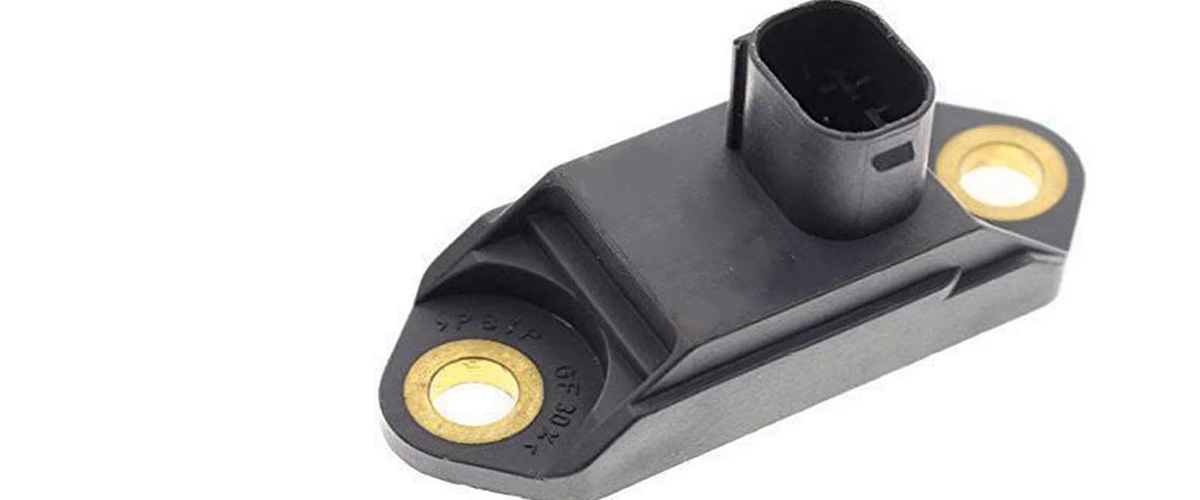



Integration of NOx Sensors in SCR After-Treatment Systems
The efficacy of Selective Catalytic Reduction (SCR) systems hinges on accurate NOx measurement and responsive control algorithms. Improper sensor integration can lead to under- or over-dosing of urea, risking regulatory breaches or ammonia slip. This article presents advanced best practices for sensor placement, feedback loop design, and ECU calibration in SCR systems.
1. Strategic Sensor Placement
Effective SCR control requires two distinct NOx sensing points:
- Upstream Sensor: Mounted before the SCR catalyst, this sensor captures raw NOx levels exiting the engine. Position it within the high-temperature zone but upstream of particulate filters to avoid physical damage.
- Downstream Sensor: Located after the SCR catalyst, it verifies reduction performance and detects ammonia slip. Heat shielding and quick-response temperature compensation are crucial due to lower exhaust temperatures post-catalyst.
Unique Insight: Optimal placement angles and flow-conditioning ducts can stabilize gas sampling, reducing turbulence-induced measurement noise by up to 20%.
2. Feedback Loop and Control Algorithms
A closed-loop strategy ensures precise urea dosing:
- Signal Filtering: Raw sensor data should pass through digital filters (e.g., Kalman or moving-average) to eliminate spikes from transient engine events.
- Dosing Calculation: Advanced ECUs utilize adaptive algorithms that consider engine load, exhaust temperature, and transient dynamics to predict NOx surge patterns.
- Correction Loop: Post-SCR readings adjust subsequent dosing rates in real time, compensating for catalyst aging or urea quality variations.
Unique Insight: Implementing model-predictive control (MPC) can reduce NOx overshoot by 30% during rapid load changes compared to PID-only approaches.
3. Dual-Sensor Configurations and Redundancy
Dual-sensor setups not only validate SCR performance but also serve as a fault-detection mechanism:
- Primary Sensor Degradation Monitoring: Divergence between upstream and downstream readings beyond a threshold triggers self-diagnostic routines, isolating sensor faults from catalyst issues.
- Redundancy Requirements: Safety regulations in heavy-duty applications often mandate redundant sensing channels with cross-comparison logic to ensure fail-safe operation.
Unique Insight: Using heterogeneous sensor types (e.g., electrochemical upstream and solid-state downstream) enhances overall system resilience against cross-sensitivity and environmental stressors.
4. ECU Integration and Calibration
Seamless communication between NOx sensors and the ECU is paramount:
- Interface Protocols: Most modern sensors employ CAN-FD with built-in calibration data tables. Ensure ECU firmware supports dynamic loading of sensor-specific coefficients.
- Calibration Procedures: Factory calibration uses benchtop flow rigs and climatic chambers to map sensor outputs across temperature and concentration ranges. Field re-calibration can be achieved via over-the-air updates using telematics platforms.
Unique Insight: Embedding self-calibration routines within the ECU can extend sensor accuracy by up to 15% over 50,000 miles, reducing maintenance cycles.
5. Case Study: Heavy-Duty Truck Application
A leading OEM integrated our dual-sensor SCR solution on a 13-liter heavy-duty engine platform:
- Result: NOx conversion efficiency improved from 92% to 98% under urban drive cycles.
- Ammonia Slip: Reduced by 70% due to refined dosing control.
- Maintenance Impact: Sensor-led diagnostics cut SCR system downtime by 40%.
Key Takeaway: Optimal NOx sensor integration transforms SCR from a static after-treatment box into an adaptive emission-control powerhouse.
Systematic integration of NOx sensors—informed by strategic placement, advanced control algorithms, and robust ECU calibration—elevates SCR performance and ensures sustained regulatory compliance. By adopting these best practices, manufacturers can drive both environmental and operational excellence.
Series Navigation
- Understanding NOx Sensors: Basics and Importance
- NOx Sensor Technology Deep Dive
- ✅Integration of NOx Sensors in SCR After-Treatment Systems
- NOx Sensor Selection Criteria for Aftermarket Applications
- Troubleshooting and Maintenance of NOx Sensors
- Why NOx Sensors Fail: Common Causes, Diagnostics, and Prevention
- Guide of Troubleshoot a NOx Sensor
- How to Replace a NOx Sensor: Step-by-Step Guide
- Common Faults in NOx Sensor Replacement